In a noisy digital world, the simple grid of Sudoku offers a rare oasis of calm concentration. (Alt: Close-up of hands filling Sudoku grid with pencil, serene setting)
No flashy graphics. No leaderboards. No multiplayer chaos. Just you, a grid of numbers or a set of face-down cards, and the gentle hum of your own thoughts.
In 2026—amid VR epics, battle royales, and AI-driven adventures—**Sudoku** and **Memory Match** (also known as Concentration or Pairs) remain stubbornly popular. Millions play them daily on phones, tablets, newspapers, or even printed sheets. Why do these minimalist classics refuse to fade?
They don't chase trends. They challenge something deeper: your mind. In an era of constant distractions, they reward sustained focus, patience, and quiet victory. Let's explore their enduring appeal, backed by recent insights and real-world persistence.
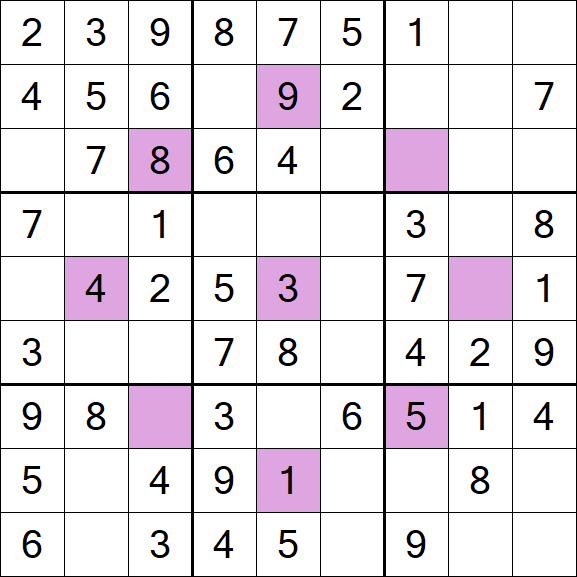
A 9x9 grid. Some numbers pre-filled. The rule: Fill every row, column, and 3x3 box with 1-9—no repeats. That's it. Yet this "simple" puzzle can trap you for hours, turning casual play into deep mental immersion.
Each placement ripples across the board. One wrong number cascades into dead ends. You erase, rethink, stare—it's a detective story without characters, just pure deduction.
Players often describe it as meditative. No notifications ping. No timers rush you (unless you're speed-solving). Just focused attention that quiets the mental noise of daily life.

Modern apps make Sudoku portable, but the core challenge—pure logic—remains unchanged. (Alt: Smartphone displaying Sudoku puzzle in progress, clean interface)
Recent studies reinforce its value. A 2025 UAlbany research project explored Sudoku's impact on attention span, while ongoing work (including Frontiers in Aging Neuroscience echoes) links regular puzzle-solving to better cognitive flexibility and memory retention. A large UK study found frequent Sudoku players showed brain function equivalent to 8-10 years younger in reasoning and short-term memory. It builds "cognitive reserve"—a buffer against age-related decline.
It's not about becoming a genius overnight. It's steady mental exercise: pattern recognition, logical reasoning, patience. When the last number clicks in? That "aha" moment brings profound satisfaction—a tiny triumph of order in chaos.
Flip cards. Match pairs. Remember positions. It starts as child's play—bright pictures, fun flips—but quickly reveals its depth.
This tests **working memory**: holding and manipulating short-term info. Where was the cat? The star? The flower? Distraction ruins runs; focus builds mental maps. Patterns emerge with practice—groupings by color, shape, theme.
Psychologically clever: It lures you with ease, then punishes carelessness. You laugh at early mistakes, then get serious. That shift to full attention is where growth happens.
Recent research (2025 studies on card-based games for neurological learning and mobile cognitive apps) shows matching games improve memory retention, reduce cognitive load, and enhance executive function—even in older adults or those with mild impairment. A Frontiers in Psychology paper highlighted gains in reaction time, decision-making, and discrimination via similar mobile games.
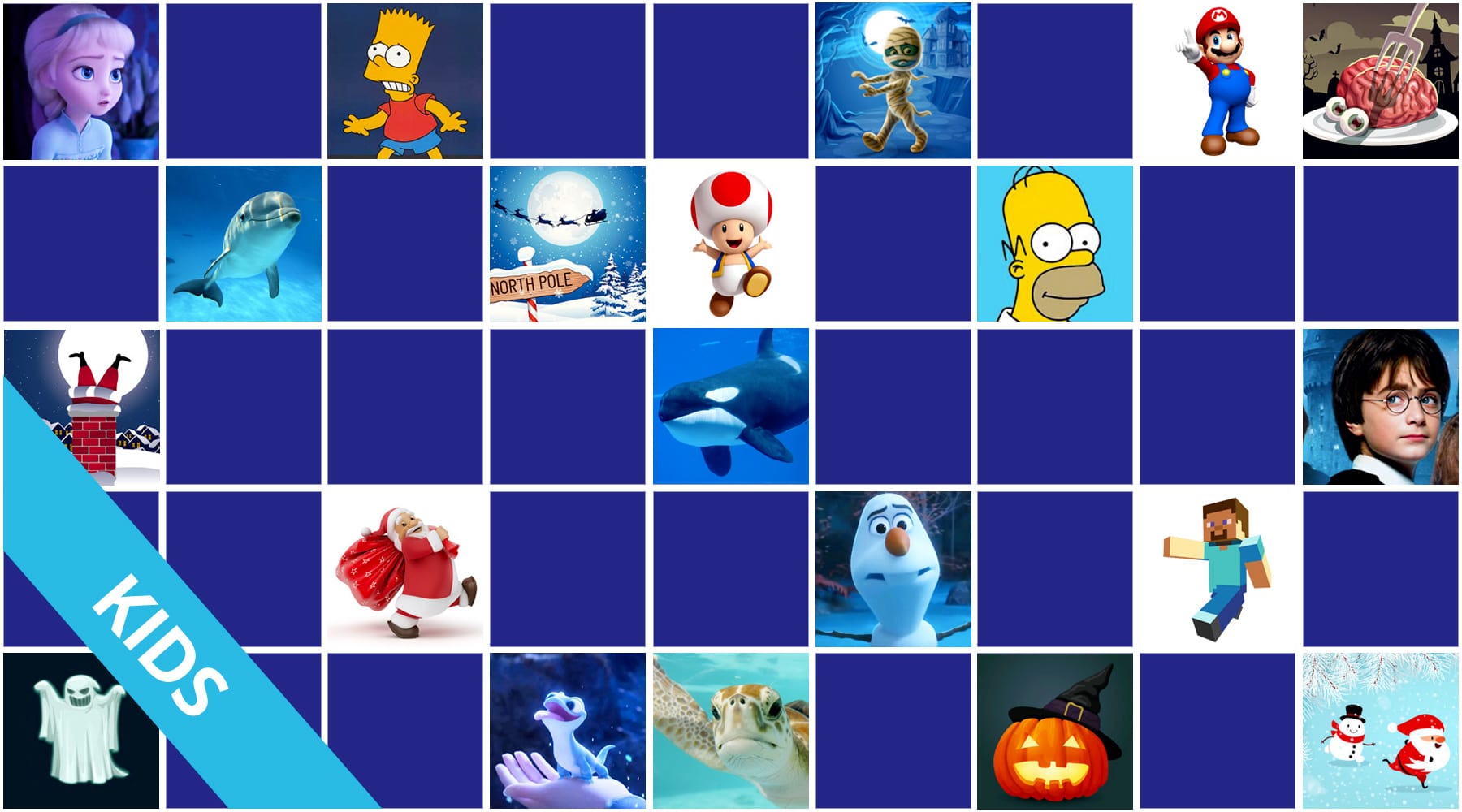
Simple flips hide deep mental work—training working memory one pair at a time. (Alt: Array of colorful memory cards laid out, some flipped to reveal matches)
A personal story: Playing against my 7-year-old niece years ago, she demolished me. Kids focus purely—no ego, no multitasking. Adults? Distracted by thoughts. Memory Match exposes that gap and gently trains presence.
Modern games chase immersion: photorealism, vast worlds, social features. Sudoku and Memory Match strip everything away. Clear rules. Meaningful engagement. No bloat.
They thrive because they tap universal human traits: problem-solving joy, pattern-seeking, achievement from mental effort. In 2026, with digital overload, their "quiet power" feels revolutionary—forced single-tasking in a multitasking age.
Both have hidden competitive sides. The 18th World Sudoku Championship (2025 in Eger, Hungary) drew top solvers for speed and variants. WPF Grand Prix Sudoku ranks global elites. Memory sports? The 2025 World Memory Championships in Vietnam featured elite feats, while USA Memory Championship crowns mental athletes in disciplines overlapping card recall.
These aren't esports spectacles—no crowds, no lights—but intense mental arenas proving simplicity scales to mastery.
In 2026, as games grow louder and more demanding, Sudoku and Memory Match whisper: Slow down. Focus. Think.
Sudoku teaches patience and order. Memory Match builds focus and recall. Both reward quiet persistence over flash.
They'll outlast trends because they rely on something eternal: the human mind's love of challenge.
Long after the latest AAA title fades, someone will fill a grid. Flip a card. Smile at a match. And feel, for a moment, sharper. Clearer. In control.
Ready for a mental reset? Grab a Sudoku app (like Sudoku.com, still hugely popular) or play Memory Match online. Challenge a friend—or your inner focus. What's your go-to difficulty? Ever competed in a puzzle tourney? Share your stories below—let's celebrate the quiet classics!